News
  • How Are Lithium ion Batteries Recycled?
    Sep 13, 2022 How Are Lithium ion Batteries Recycled?
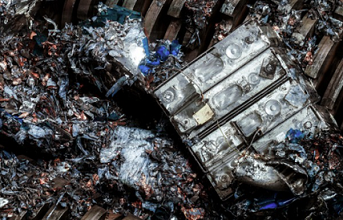
    Batteries are recycled by being shredded, mixing all of their components. Once all of the metals are mixed into a powder, they need to be separated by either being liquified or dissolved in acid so that the desired metal can be retrieved. Since the process of recycling batteries is still in the early stages, the United States has suggested an enhancement to the Defense Production Act. The goal is to put money towards securing the metals we need for a clean energy transition while also researching and investing in recycling lithium ion batteries. Alternatively, instead of shredding old batteries, sometimes batteries within an EV can be reused. Lithium ion batteries have a very long lifespan, and while they will lose their ability to power a car, they can still be used for less intense energy storage needs, like backup power. Currently, when you replace technology such as your EV or storage battery, recycling the old one is a chore. You can find certified electronics recyclers through the EPA website.  The demand for lithium ion batteries has risen recently, but the ones currently in use have not reached the end of their lives. Due to a lack of dead batteries, recycling methods have been slow to develop. As batteries become a larger part of our renewable world, recycling and reusing them will continue to ensure we thrive in a renewable energy-powered future. The metals within the batteries remain useful long after its lifespan ends, and it would be an extreme waste of resources if they are not recycled.
    View Details
  • Our Waste Plastic Washing Line is Done
    Nov 24, 2022 Our Waste Plastic Washing Line is Done
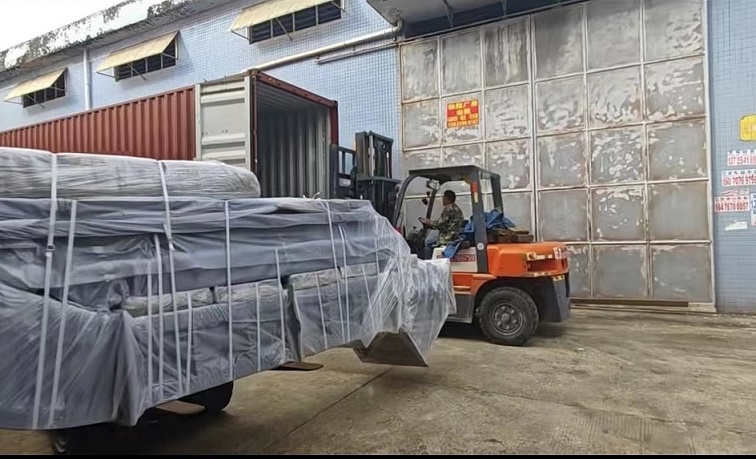
    Lanrry (Guangzhou) Recycling has finished one waste plastic washing line recently. Even the corona-virus is serious, we still delivery it to our customer in time. Thanks to the effort of all our workers. Which plastic can be recycled? 1-PET The most widely recycled plastic in the world is PET. Alternatively, PET bottles can be recycled into... PET bottles! In fact, they are made of one of the few polymers that can be recycled into the same form – a new beverage bottle – again and again. During the process the PET is generally blended in a ratio of virgin to recycled, to give strength to the material for use in a new product. 2-HDPE HDPE is accepted at most recycling centers in the world, as it is one of the easiest plastic polymers to recycle. Recycling companies will usually collect HDPE products and send them to large facilities to be processed. Just like PET, HDPE can be transparent or pigmented (colored). 3-LDPE Low-density polyethylene, also known as plastic-type #4, is used to make the infamous plastic bags like those provided by grocery stores and other retailers. Technically, LDPE can be recycled. How is recycled plastic used? wide range of products can be made from recycled plastic including: drinks bottles and food trays polyester fabric for clothing wheeled bins and food caddies refuse sacks and carrier bags wheel arch liners and bumpers on cars damp proof membranes reusable crates and pallets flower pots, seed trays, watering cans and water butts
    View Details
  • Plastic Film Gets Recycled
    Sep 13, 2022 Plastic Film Gets Recycled
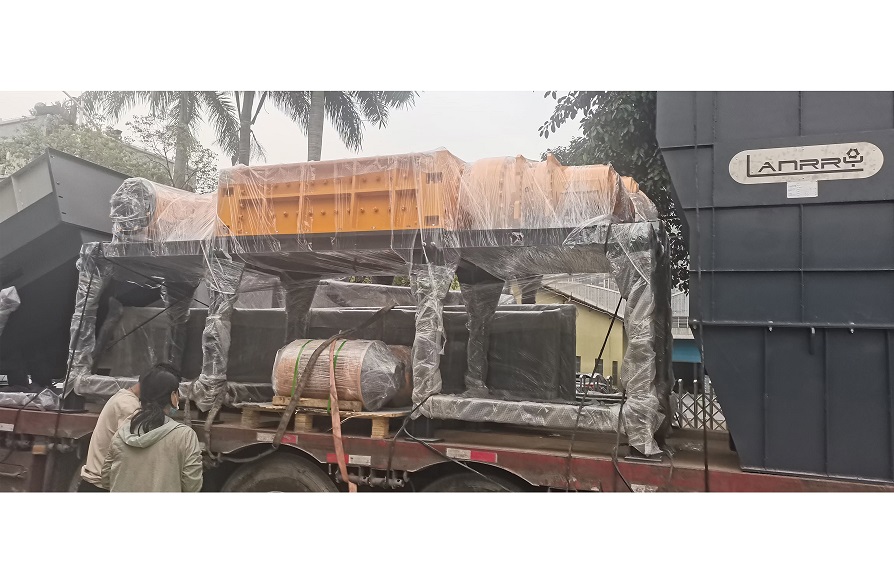
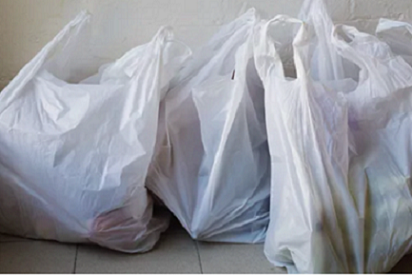
    During the recycling process, plastic film is brought into the facility in baled form and is then pulled apart by hand or by a guillotine. It is then fed into a shredder and water-fed grinder where it is cut into pieces. The film is then washed and inspected for contamination. Once clean and dry, the film is placed into an extruder where heat and pressure melt the plastic. The molten plastic is then released from the extruder, formed into fine strands, cooled, and chopped into pellets. The pellets are used by manufacturers to produce new plastic film products. Recycled plastic film is made into composite lumber, which is used for benches, decks, and playground sets. It is also recycled and reprocessed into small pellets that are used to make plastic containers, crates, pipes, new plastic bags, and pallets.  The effectiveness of plastic film recycling is a subject of debate among many in the industry. Plastic film recycling programs can succeed only if the recycler accumulates large quantities of material to recycle, which is one reason why it's collected at drop-off locations rather than curbside. Large retail stores collect plastic film from consumers and add it to the film generated by their own facility. They accumulate large quantities of it in a short time, which allows them to market full truckloads of film.
    View Details
  • What Is Tire Recycling?
    Sep 13, 2022 What Is Tire Recycling?
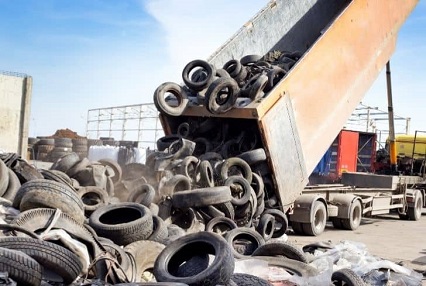
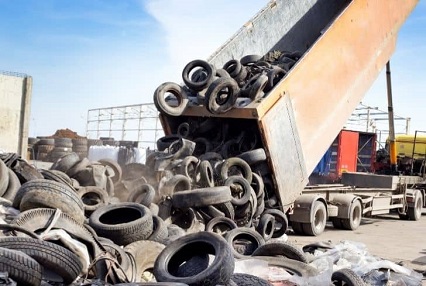
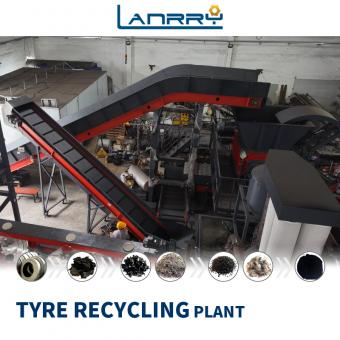
    Tire recycling, also known as rubber recycling, refers to the process of recycling used vehicle tires that can no longer be used on the vehicles due to wear and tear or irreparable damage. Used tires are among the most problematic and challenging sources of solid waste. This involves the processing of waste tires for reuse. Typically, this category of tires, also known as end-of-life tires, are no longer functional. And this is due to damage and wear. Tire recycling then involves the conversion of waste tires into materials that we can use to create new products. At this point, you may ask: why do we need to recycle tires? Well, this is due to their increasing numbers and how fast some tires reach their end-of-life. In turn, this means that more tires are getting into landfills. And, as you already know, when we talk about landfills, we are discussing more pressing issues. We are worried about environmental pollution, threats to marine life, global warming, and many more issues that arise from landfills. So, to avoid these, it seems like a good idea to recycle. You should know that every year, over one billion scrap tires get generated. In fact, in the U.S. alone, there were about 249.4 million waste tires around a couple of years back. And the only way to get things done the right way is through recycling. In fact, history shows that recycling tires have always been a smart move. For instance, a couple of decades back many people did not own an automobile vehicle. Yet, piles of waste tires were over one billion globally. However, as of today, when many people already owned one automobile or the other, the pile of waste globally contained only about 60 million scrap tires. And this is thanks to tire recycling. So, yes, tire recycling is a good choice; it has always been. You even be more convinced when you realize rubbers were once as expensive as silver. And the only economical way to keep up production at the time was through recycling.
    View Details

1 2

A total of 2 pages

Leave A Message

Leave A Message
If you have questions or suggestions,please leave us a message,we will reply you as soon as we can!

Home

Products

whatsapp